
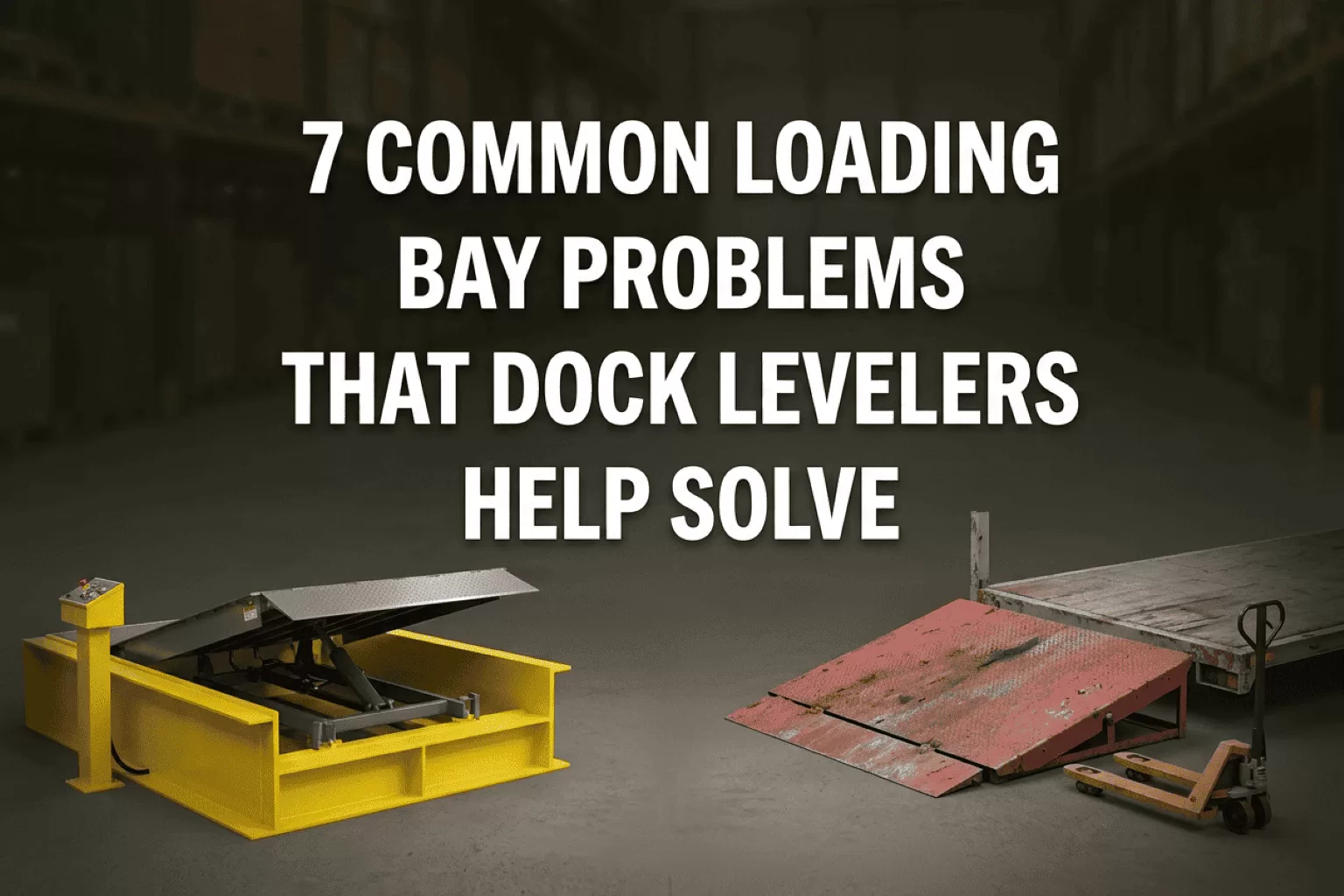
Loading bays are among the busiest and most critical areas in warehouses, factories, and logistics facilities. Every day, forklifts, pallet trucks, and workers move heavy goods in and out of trucks under tight schedules. Without the right loading dock equipment, businesses can experience delays, product damage, workplace accidents, and operational inefficiencies.
This is why many industrial facilities are investing in a reliable dock leveler in Malaysia to improve safety, streamline loading operations, and support smoother warehouse workflow.
A dock leveler helps bridge the height gap between warehouse floors and truck beds, creating a safer and more stable loading surface for material handling operations. Modern hydraulic dock levelers are especially popular in Malaysia due to their smooth operation, durability, and enhanced safety features.
What Is a Dock Leveler?
A dock leveler is a mechanical or hydraulic platform installed at loading bays to compensate for height differences between the loading dock and delivery vehicles.
It creates a smooth transition surface that allows forklifts and pallet trucks to move safely between the warehouse and truck container during loading and unloading operations.
A properly designed dock leveler in Malaysia helps improve operational efficiency, reduce loading delays, and minimize workplace risks in industrial environments.
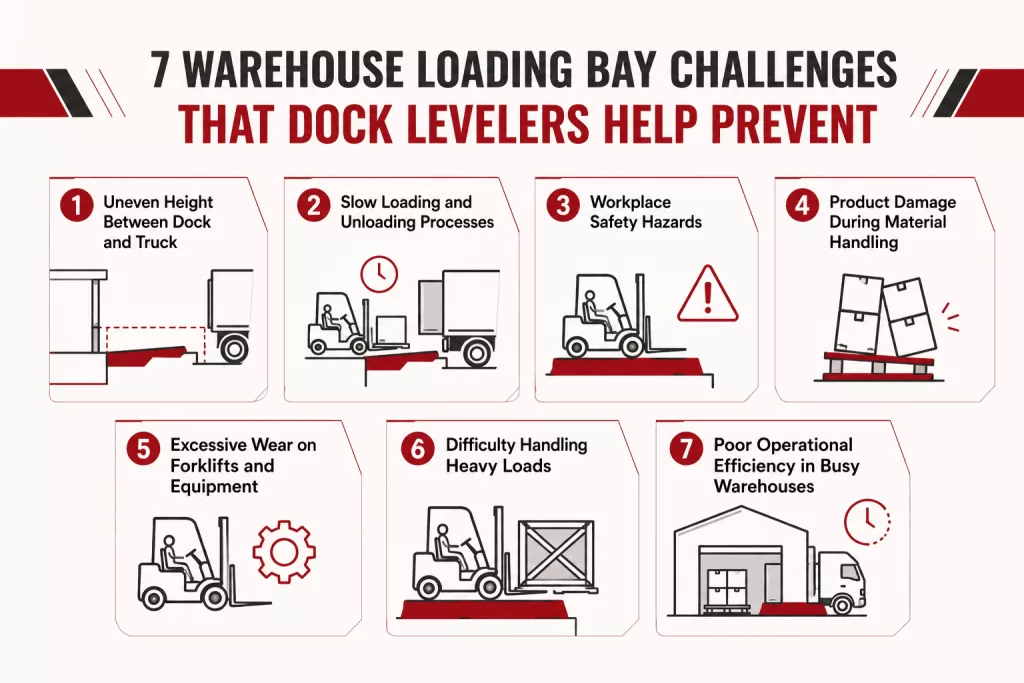
7 Warehouse Loading Bay Challenges That Dock Levelers Help Prevent
1. Uneven Height Between Dock and Truck
One of the most common loading bay challenges is height mismatch between the warehouse platform and truck bed.
Different trucks arrive with different trailer heights, making it difficult for forklifts to move safely without proper leveling equipment.
Problems Caused
- Unsafe forklift movement
- Increased product damage risk
- Slower loading operations
- Higher chance of pallet instability
How Dock Levelers Help
A hydraulic dock leveler automatically adjusts to different truck heights, creating a smooth and stable transition surface for loading operations.
2. Slow Loading and Unloading Processes
Manual loading systems and temporary ramps often slow down warehouse operations, especially during high-volume logistics periods.
Problems Caused
- Delayed truck turnaround times
- Warehouse bottlenecks
- Reduced operational productivity
- Increased labor strain
How Dock Levelers Help
A dock leveler in Malaysia improves loading efficiency by allowing forklifts to move directly into trucks quickly and safely without repeated adjustments. Hydraulic systems also provide faster push-button operation compared to manual alternatives.
3. Workplace Safety Hazards
Loading bays are high-risk operational zones where slips, falls, and forklift accidents can occur if surfaces are unstable or uneven.
Problems Caused
- Forklift instability
- Worker injuries
- Slipping and tripping accidents
- Unsafe loading conditions
How Dock Levelers Help
Modern hydraulic dock levelers include safety-focused features such as:
- Anti-slip surfaces
- Safety hydraulic valves
- Sudden drop prevention systems
- Toe guards and safety lips
- Maintenance safety struts
These features help improve loading bay safety and reduce workplace accident risks.
4. Product Damage During Material Handling
Uneven loading surfaces can cause pallets, cartons, and fragile goods to shift or fall during transportation between the dock and truck.
Problems Caused
- Damaged inventory
- Increased product losses
- Customer complaints
- Higher operational costs
How Dock Levelers Help
A properly installed dock leveler creates smoother forklift movement and better load stability, helping reduce product damage during loading and unloading activities.
5. Excessive Wear on Forklifts and Equipment
Constant impact from uneven surfaces and temporary ramps can increase stress on forklifts and warehouse equipment.
Problems Caused
- Faster equipment wear
- Increased maintenance costs
- Higher downtime risks
- Reduced equipment lifespan
How Dock Levelers Help
Dock levelers provide a more consistent loading surface, reducing vibration, impact, and stress on forklifts during operation. This helps improve long-term equipment performance and lower maintenance requirements.
6. Difficulty Handling Heavy Loads
Industrial warehouses often manage large and heavy shipments that require stable loading support.
Problems Caused
- Unsafe load handling
- Forklift instability under heavy weight
- Slower material transfer
- Increased accident risk
How Dock Levelers Help
Heavy-duty hydraulic dock levelers are designed to support high-capacity industrial loading operations with reinforced structural platforms and hydraulic lifting systems.
7. Poor Operational Efficiency in Busy Warehouses
Without proper loading systems, warehouses may struggle to maintain smooth workflow during peak operational hours.
Problems Caused
- Delayed shipments
- Congested loading bays
- Reduced warehouse productivity
- Higher operational inefficiencies
How Dock Levelers Help
A dock leveler in Malaysia helps optimize workflow by improving truck accessibility, reducing downtime, and supporting faster loading operations for logistics and warehouse teams.
Why Hydraulic Dock Levelers Are Popular in Malaysia
Many businesses prefer hydraulic dock levelers because they offer:
- Smooth push-button operation
- Better safety systems
- Lower physical effort
- Reduced maintenance requirements
- Reliable long-term performance
Hydraulic dock levelers are commonly used in logistics centers, factories, distribution hubs, warehouses, and industrial facilities across Malaysia.
Industries That Commonly Use Dock Levelers
A dock leveler in Malaysia is widely used in:
- Warehousing and logistics
- Manufacturing facilities
- Retail distribution centers
- Cold storage facilities
- Airports and cargo hubs
- Industrial factories
These industries rely on efficient loading bay operations to maintain productivity and supply chain performance.
Key Features to Look for in a Dock Leveler
When selecting a dock leveler, businesses should consider:
- Load capacity suitability
- Hydraulic safety systems
- Anti-slip deck surfaces
- Corrosion-resistant construction
- Reliable control systems
- Durable structural design
- Maintenance accessibility
Choosing the right equipment helps ensure long-term safety and operational efficiency.
Dock Leveler Features and Their Benefits
Choosing the right dock leveler in Malaysia involves understanding how different features contribute to warehouse safety, operational efficiency, and long-term durability.
| Dock Leveler Feature | Operational Benefit |
|---|---|
| Hydraulic Lifting System | Provides smoother and faster loading operations |
| Anti-Slip Surface | Improves worker and forklift safety during loading |
| Heavy-Duty Steel Platform | Supports high-capacity industrial loads |
| Safety Lip Design | Creates stable transition between dock and truck |
| Safety Hydraulic Valve | Helps prevent sudden platform drop |
| Reinforced Structural Frame | Improves long-term durability and stability |
| Push-Button Operation | Reduces manual effort and improves efficiency |
| Maintenance Safety Strut | Allows safer inspection and servicing work |
| Corrosion-Resistant Finish | Improves durability in industrial environments |
| Adjustable Platform Height | Accommodates different truck trailer heights |
Improve Your Loading Bay Efficiency Today
Looking for a reliable dock leveler in Malaysia for your warehouse or industrial facility? CCH Resources & Engineering provides durable hydraulic dock leveler solutions designed to improve loading efficiency, workplace safety, and operational performance.
Contact our team today to find the right dock leveler solution for your loading bay requirements
Conclusion
Loading bay inefficiencies can lead to operational delays, workplace accidents, equipment damage, and increased business costs. Investing in a reliable dock leveler in Malaysia helps businesses solve these challenges while improving loading speed, workplace safety, and warehouse productivity.
Whether for logistics, manufacturing, or warehouse operations, a hydraulic dock leveler provides a safer and more efficient solution for modern loading bay environments.
Frequently Asked Questions (FAQs)
What is a dock leveler used for?
A dock leveler is used to bridge the height gap between a warehouse loading dock and a truck bed, allowing forklifts and pallet trucks to move goods safely during loading and unloading operations.
What is the difference between a hydraulic dock leveler and a mechanical dock leveler?
A hydraulic dock leveler operates using a hydraulic system with push-button control, while a mechanical dock leveler requires manual operation. Hydraulic models are generally easier to use and provide smoother operation.
How does a dock leveler improve warehouse safety?
A dock leveler creates a stable transition surface between the dock and truck, helping reduce forklift instability, slips, falls, and product damage during material handling operations.
Which industries commonly use dock levelers in Malaysia?
Industries such as warehousing, logistics, manufacturing, retail distribution, cold storage, and industrial facilities commonly use dock levelers for loading bay operations.
How do I choose the right dock leveler in Malaysia?
You should consider factors such as load capacity, dock height, truck types, operational frequency, safety features, and the type of warehouse operations involved.